Neuroplasticity at Any Age: How to Rewire Your Brain
For most of the twentieth century, neuroscience taught that the adult brain was essentially fixed — wired in childhood, then gradually declining. That doctrine is now dead. We know the brain remains plastic throughout life: forming new connections, rewiring circuits, and in certain regions, generating new neurons well into old age.
That’s not just good news for learning. Plasticity is the mechanism behind every recovery from stroke, every habit you manage to change, and every skill you build at any age. And unlike most of biology, you can deliberately push on it. Here’s how.
The Proof That Changed Neuroscience
- London taxi drivers: Memorizing the city’s 25,000 streets (“The Knowledge”) produces measurable hippocampal growth — the same structure that shrinks in Alzheimer’s disease.
- Juggling: Adults learning to juggle showed detectable gray-matter increases within weeks — and lost them again when they stopped practicing.
- Musicians: Structural brain differences track years of practice, showing the change is dose-dependent, not just present-or-absent.
- Bilingualism: Speaking two languages delays dementia symptom onset by 4–5 years — even when Alzheimer’s pathology is present on autopsy.
Six Ways to Enhance Your Brain’s Plasticity
1. Learn Something Genuinely New
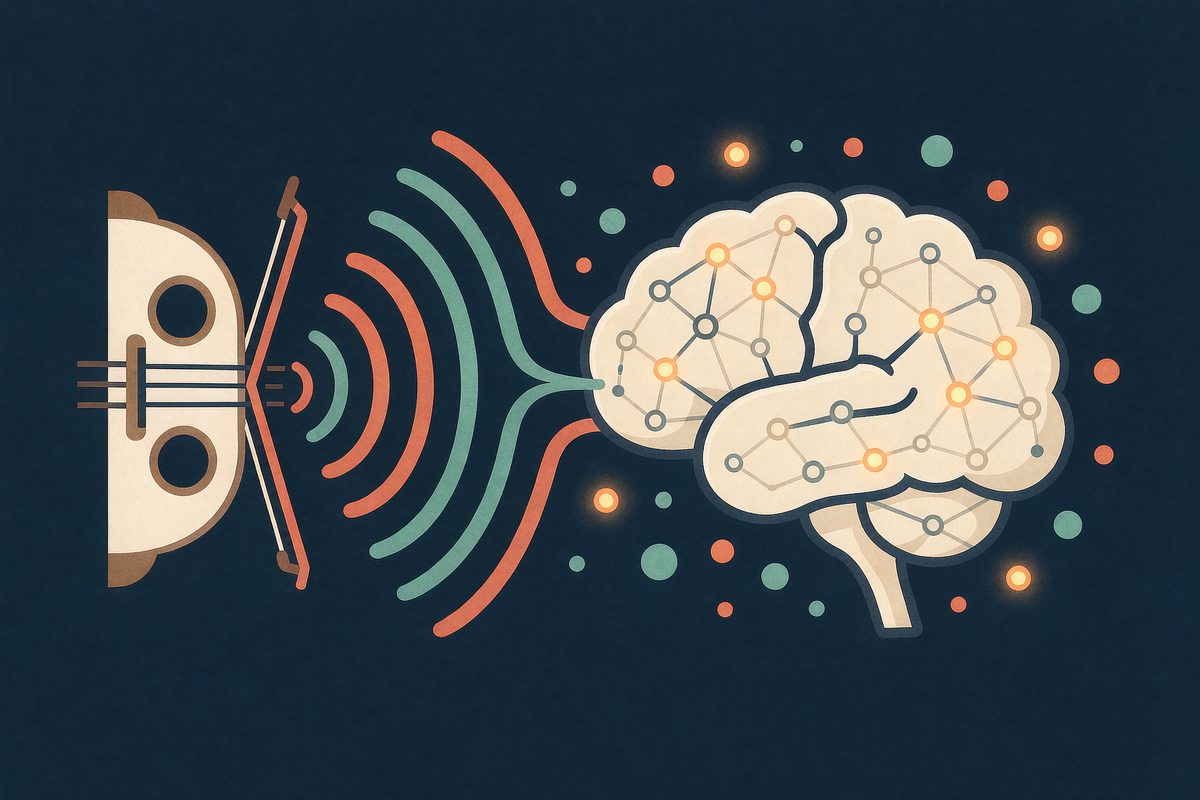
Crosswords and familiar puzzles mostly exercise existing circuits. Plasticity responds to novelty and effort: a musical instrument, a foreign language, dancing, juggling — skills where you’re genuinely bad at first, requiring multi-sensory engagement. Struggling a bit is the point; that’s the signal for rewiring.
2. Exercise — the Heavyweight Intervention
Aerobic exercise raises BDNF (brain-derived neurotrophic factor), often called “Miracle-Gro for the brain.” It promotes neuron survival, strengthens synapses, and stimulates neurogenesis in the hippocampus. If you do one thing on this list, the evidence says this is it — a brisk walking habit genuinely counts.
3. Protect Deep Sleep
Memory consolidation happens during sleep: sleep spindles shuttle new memories from the hippocampus to the neocortex for long-term storage. Learning without adequate sleep is like saving files to a drive that never gets written.
4. Manage Chronic Stress
Sustained cortisol impairs long-term potentiation — the cellular basis of learning — and suppresses neurogenesis. Brief stress is fine; the chronic, low-grade kind is what erodes your plasticity.
5. Feed the Process
Omega-3 DHA is a structural component of brain cell membranes; flavonoids (berries, cocoa, green tea) and the Mediterranean/MIND diet pattern are associated with better cognitive trajectories in cohort studies.
6. Stay Socially Engaged
Live social interaction is one of the most cognitively demanding things humans do — reading faces, tone, timing, and language in real time. It’s a genuine workout, and it helps build the cognitive reserve that buffers against decline.
What This Means If You’re Over 40
Plasticity slows with age, but it doesn’t stop — the same studies showing slower learning in older adults show the same structural changes once learning happens. The practical difference is that older brains may need more repetition and more sleep to consolidate. Starting at 50 or 60 still works.
❓ Frequently Asked Questions
1. Can you rewire your brain after 40?
Yes. Neuroplasticity continues throughout life; the changes are slower and need more repetition, but structural rewiring from learning new skills has been demonstrated in adults of every age studied, including people in their 70s and 80s.
2. What activities increase neuroplasticity the most?
Aerobic exercise has the strongest evidence base, through BDNF elevation and hippocampal neurogenesis. Learning genuinely novel, effortful skills (instruments, languages, dance) comes next, with sleep quality as the multiplier for all of it.
3. How long does it take to rewire your brain?
Detectable structural changes appear within weeks of consistent practice in imaging studies — juggling produced measurable changes in about seven weeks. Durable rewiring takes months of sustained effort, not days.
4. Does neuroplasticity decline with age?
It slows, particularly after 60, but doesn’t stop. Learning efficiency decreases; the capacity for change doesn’t vanish. The older brain compensates with experience-based processing even as raw plasticity declines.
5. What foods help with neuroplasticity?
Omega-3-rich fish, berries and other flavonoid sources, green tea, and overall dietary patterns like the Mediterranean diet are associated with better brain outcomes. No single food is a lever — pattern and consistency matter.
🎸 Beginner Acoustic Guitar Kit | 🍵 Organic Matcha Green Tea
{“@context”:”https://schema.org”,”@type”:”Article”,”headline”:”Neuroplasticity at Any Age: How to Rewire Your Brain”,”datePublished”:”2026-08-01T15:16:30+00:00″,”dateModified”:”2026-10-16T10:30:00+00:00″,”author”:{“@type”:”Person”,”name”:”管理”},”publisher”:{“@type”:”Organization”,”name”:”VitalPath”,”logo”:{“@type”:”ImageObject”,”url”:”https://www.healthandvital.com/wp-content/uploads/2026/07/Professional_minimalist_health_2026-07-14T07-36-42.png”}},”mainEntityOfPage”:{“@type”:”WebPage”,”@id”:”https://www.healthandvital.com/2026/08/01/neuroplasticity-at-any-age-how-to-rewire-your-brain/”}}
Related Reading
- Journaling for Mental Health: The Science-Backed Benefits of Expressive Writing
- Obsessive-Compulsive Disorder: Beyond Handwashing—The Science of OCD
- Resilience: The Science of Bouncing Back — and How to Build It
Disclosure: healthandvital.com is a participant in the Amazon Services LLC Associates Program. As an Amazon Associate we earn from qualifying purchases.

Latest Posts
- Best White Noise Machines of 2026: 7 Machines Tested for Deeper Sleep
- Best Resistance Bands of 2026: 7 Sets Tested for Home Strength Training

- Best Magnesium Supplements of 2026: 7 Forms Compared (Glycinate, Citrate & More)

- Best Blood Pressure Monitors of 2026: 7 Monitors Tested & Compared

- Pregnancy Nutrition: What to Eat and Avoid for a Healthy Pregnancy